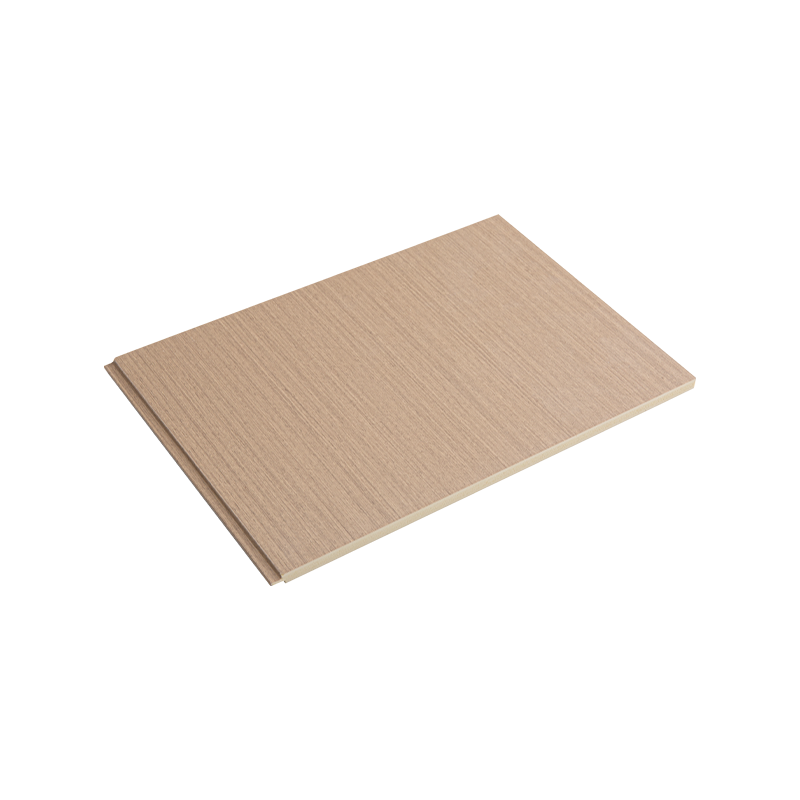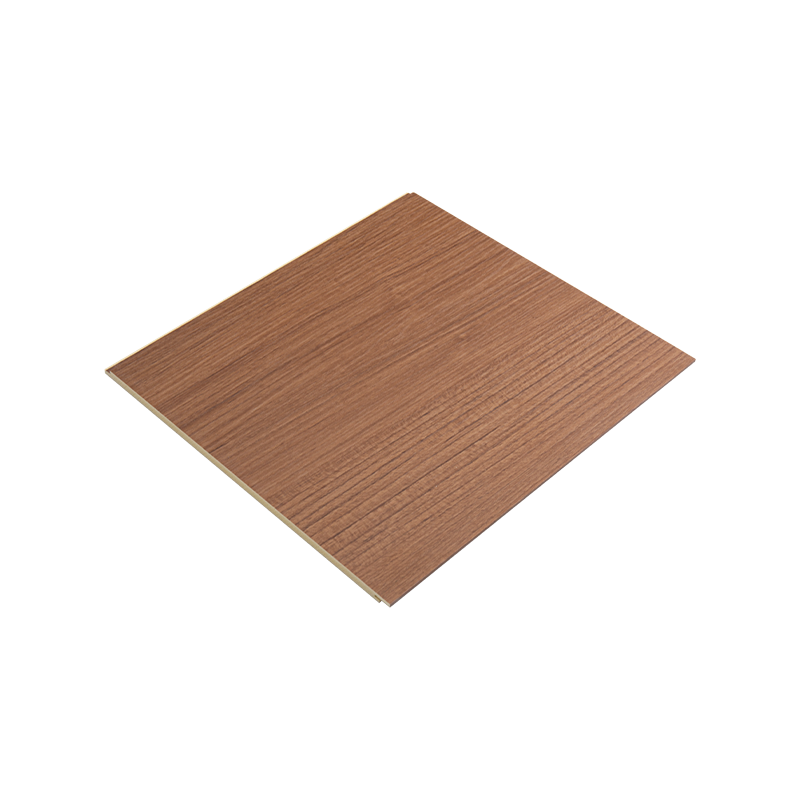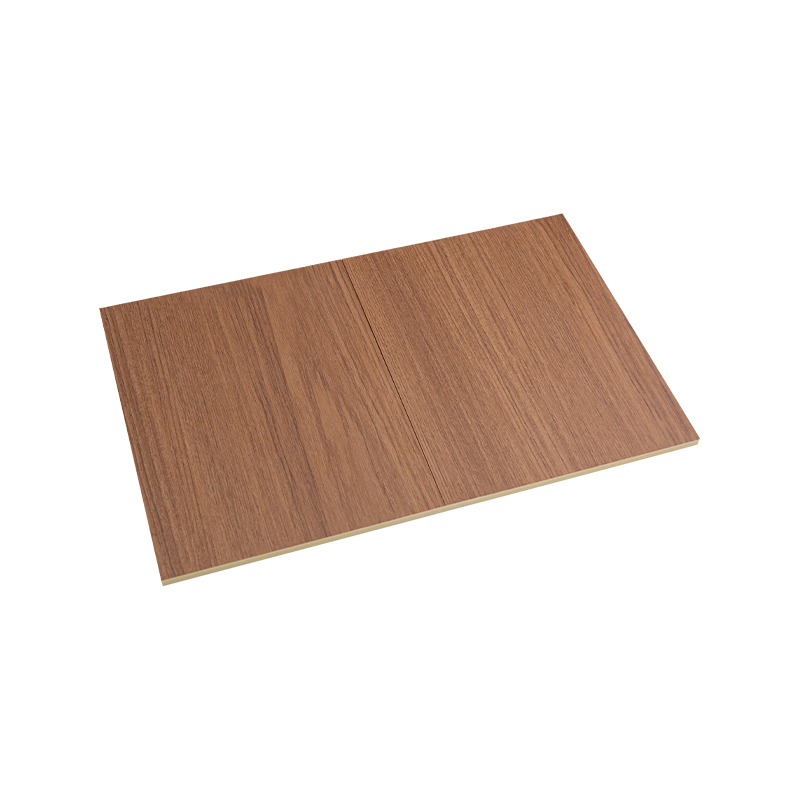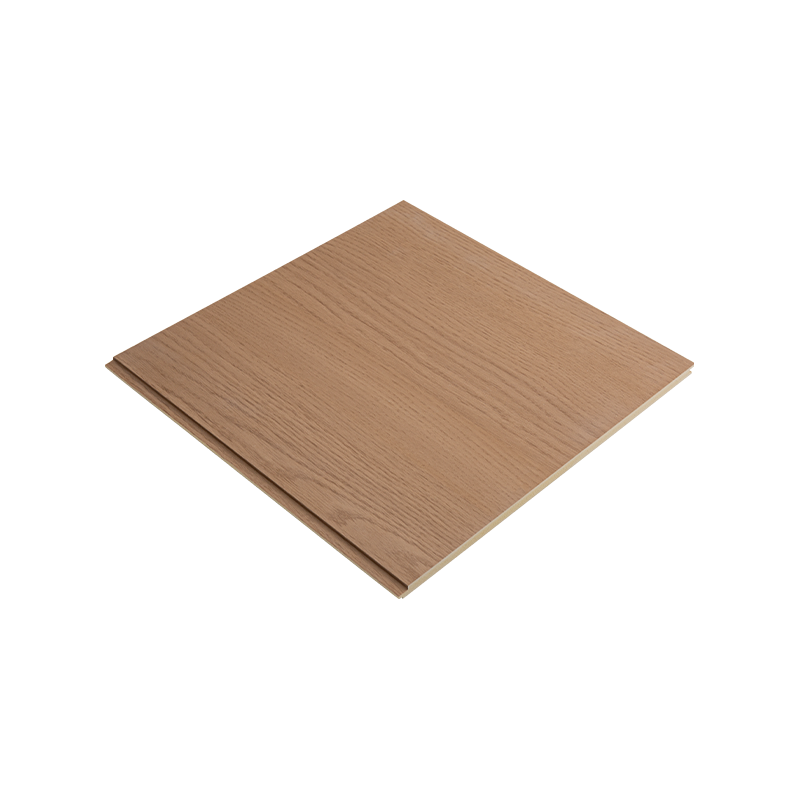

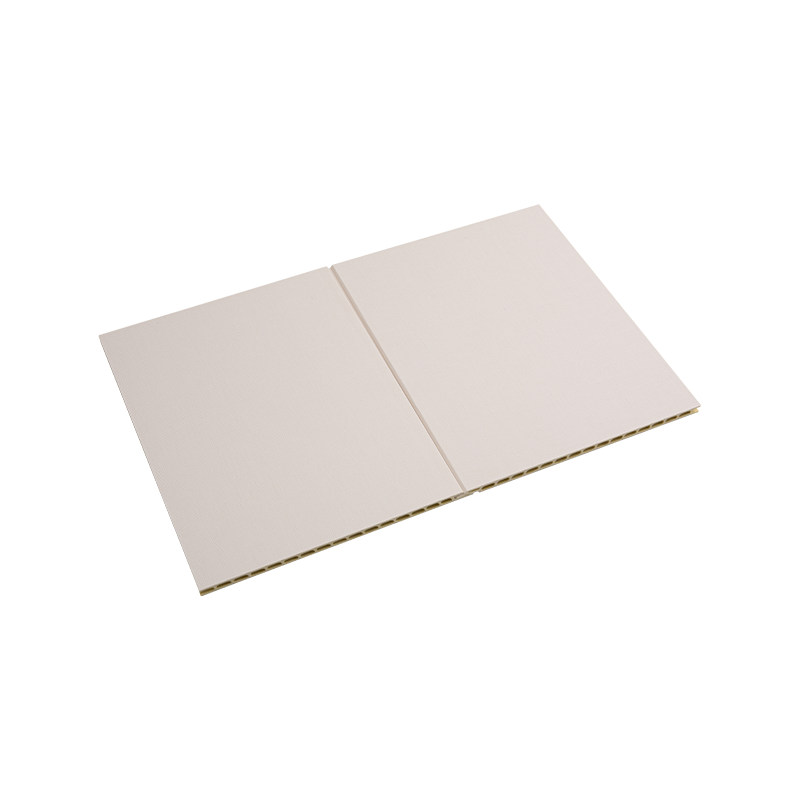
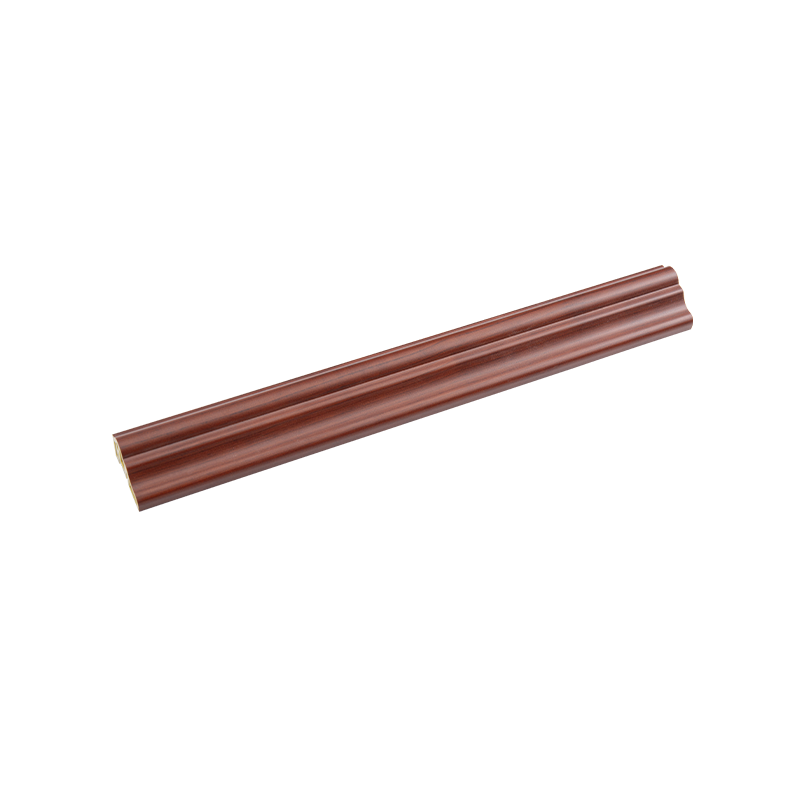
WPC wall decoration lines are increasingly used to complete modern interior wall systems in homes, hotels, offices, retail stores, restaurants, and other commercial spaces. They are commonly described as WPC wall moldings, decorative trims, wall profiles, corner profiles, or finishing lines .
Unlike a WPC wall panel, which covers a relatively large wall surface, a WPC decoration line is usually used to finish edges, corners, joints, transitions, and architectural details. The right profile can improve both the visual appearance and the installation quality of a wall system.
For distributors, contractors, designers, and project buyers, selecting a WPC decorative profile should involve more than choosing a color from a catalog. Dimensions, profile shape, connection method, surface treatment, moisture resistance, installation conditions, packaging, and project quantity can all affect the final result.
This guide explains the main factors to evaluate when specifying and sourcing WPC wall decoration lines for residential and commercial projects.
WPC Wall Decoration Line Types, Profiles, and Material Specifications
WPC decorative lines are available in many cross-sectional shapes because each profile performs a different function.
Common applications include:
- Internal corner finishing
- External corner protection
- Wall panel edge finishing
- Ceiling-to-wall transitions
- Decorative vertical or horizontal lines
- Panel-to-panel transitions
- Door and window perimeter finishing
- End caps and exposed-edge finishing
For project specification, buyers should look beyond the front-view product image and confirm the complete cross-sectional dimensions.
Typical WPC Decorative Profile Dimensions
Different manufacturers and projects use different dimensions, but the following examples illustrate common profile formats.
| Profile Type | Example Metric Dimension | Approx. Imperial Dimension | Typical Application |
|---|---|---|---|
| Slim decorative molding | 24 × 12 × 3000 mm | 0.94 × 0.47 × 118 in | Decorative transition or narrow trim |
| Internal corner profile | 31.2 × 31.2 × 3000 mm | 1.23 × 1.23 × 118 in | Inside wall corners |
| External corner profile | 50 × 50 × 3000 mm | 1.97 × 1.97 × 118 in | Edge and corner protection |
| Rounded corner profile | 70 × 70 × 3000 mm | 2.76 × 2.76 × 118 in | Larger decorative corner transition |
| Wide rounded profile | 75 × 75 × 3000 mm | 2.95 × 2.95 × 118 in | Feature walls and wider corners |
These figures are useful for preliminary planning, but project buyers should always confirm the exact dimensions of the selected profile before preparing wall openings, cutting panels, or ordering accessories.
What Material Information Should Buyers Request?
WPC is generally manufactured from a combination of wood-based material, polymer material, mineral fillers, and processing additives. However, there is no single universal WPC formulation.
Different formulations may affect:
- Rigidity
- Surface hardness
- Water absorption
- Screw or fastener holding performance
- Thermal movement
- Impact resistance
- Cutting behavior
- Surface finishing
- Product weight
For this reason, buyers should not evaluate two WPC trims only by exterior appearance.
For larger commercial projects, useful technical information may include:
- Profile drawing
- Cross-sectional CAD or DWG drawing
- Overall dimensions
- Effective coverage dimensions
- Standard length
- Unit weight
- Packing quantity
- Surface finish
- Compatible clips or brackets
- Recommended wall panel series
- Available custom colors
Surface and Finish Options
WPC wall decorative lines can be designed to coordinate with different interior styles.
Common finishes include:
Wood grain: Suitable for residential, hospitality, office, and commercial interiors where a natural appearance is preferred.
Matte finish: Creates a cleaner, more contemporary appearance and can reduce excessive reflection.
Stone-inspired finish: Often selected for modern feature walls and commercial interiors.
Solid-color finish: Useful for minimalist, monochrome, or customized interior designs.
When ordering decorative lines together with WPC wall panels, it is best to confirm the finish using physical samples because different production batches, films, textures, and lighting conditions can affect perceived color.
How to Install WPC Wall Decorative Lines
The installation method depends on the profile design, wall substrate, decorative panel system, and whether the trim uses adhesive, mechanical fasteners, clips, or a combination of these methods.
A successful installation begins before the trim is actually fixed to the wall.
Step 1: Inspect and Prepare the Substrate
The wall should be reasonably flat, clean, dry, and structurally sound.
Remove:
- Dust
- Loose paint
- Oil
- Weak plaster
- Projecting screws
- Construction debris
In moisture-prone areas, the wall assembly should be designed to prevent trapped moisture behind the decorative system.
Do not use the decorative trim itself to compensate for major wall irregularities.
Step 2: Establish the Layout
Use a laser level, measuring tape, square, and chalk line to establish the position of the wall panels and decorative profiles.
Before cutting, confirm:
- Finished wall height
- Panel width
- Corner location
- Door and window openings
- External edges
- Internal corners
- Transition positions
Dry-fitting several pieces before final installation can help identify dimensional conflicts.
Step 3: Cut the WPC Profile
Depending on the profile thickness and design, WPC decorative lines can typically be cut using common woodworking equipment.
Typical tools include:
- Fine-tooth saw
- Miter saw
- Measuring tape
- Square
- Level
- Utility knife
- Drill or driver
- Adhesive gun
- Protective equipment
Use a suitable blade and make controlled cuts to reduce edge chipping.
For visible corners, accurate miter cuts can significantly improve the finished appearance.
Step 4: Install Straight Decorative Profiles
Straight profiles may be secured using approved construction adhesive, concealed clips, mechanical fasteners, or a combined fixing system.
The correct choice depends on:
- Profile geometry
- Substrate type
- Interior environment
- Product weight
- Required removability
- Project specification
Apply adhesive evenly rather than using excessive material in isolated locations.
When mechanical fasteners are used, the fixing positions should be selected so they do not deform the visible surface.
Step 5: Finish Internal and External Corners
Corners are one of the most important areas in a WPC wall installation.
A dedicated internal corner profile can provide a cleaner transition between two wall surfaces than attempting to butt-cut two decorative panels.
External corner profiles can also protect exposed panel edges from impact while providing a continuous decorative finish.
For rounded or larger external corners, use the matching profile instead of forcing a narrow trim to follow the geometry.
Step 6: Install Clips, Connectors, and Transition Pieces
Some decorative line systems use plastic or concealed clips to connect profiles and wall panels.
Before installation, confirm that the clip size matches the selected decorative profile.
Contractors should avoid mixing accessories from unrelated product series unless their compatibility has been verified.
Step 7: Allow for Dimensional Movement
WPC products can expand or contract when temperature and environmental conditions change.
The appropriate installation clearance depends on:
- Profile length
- Material formulation
- Indoor temperature range
- Wall design
- Installation method
Rather than applying one universal expansion-gap value to every WPC product, installers should follow the recommendations for the specific profile system.
Step 8: Final Inspection
After installation, check:
- Alignment
- Joint consistency
- Corner appearance
- Adhesive residue
- Loose sections
- Surface scratches
- Gaps around openings
- Compatibility between trim and wall panels
This inspection is particularly important for hotels, retail stores, offices, and other projects where repeated wall patterns make minor alignment errors highly visible.
Performance, Durability, Fire Safety, and Maintenance
The service life of a WPC wall decoration line depends on more than the base material.
Important factors include installation quality, humidity, UV exposure, cleaning chemicals, surface treatment, temperature fluctuation, and physical impact.
Moisture and Dimensional Stability
One reason WPC is frequently selected instead of conventional MDF decorative molding is its resistance to moisture-related swelling.
However, this does not mean every WPC product can be installed in every wet environment.
Buyers should distinguish between:
- Dry interior applications
- Humid interior spaces
- Semi-outdoor areas
- Fully outdoor applications
A product designed for an interior feature wall should not automatically be assumed to have the same UV and weather resistance as exterior WPC cladding.
What Testing Should U.S. Buyers Request?
For projects in the United States, the required documentation depends on the building type, project location, occupancy, and local building code.
For interior finish materials, buyers may need to ask whether relevant fire and smoke testing is available.
Depending on the application, project specifications may reference standards such as:
- ASTM E84
- UL 723
- NFPA 286
- Applicable VOC or emissions requirements
- Project-specific environmental documentation
These should be treated as requirements to verify , not assumed certifications.
Before approving material for a commercial project, ask the supplier to provide the applicable test report and confirm that the report covers the exact product composition or series being purchased.
If a project specifically requires GREENGUARD, low-emission certification, recycled-content documentation, or another environmental standard, this should be stated during the quotation stage.
Cleaning and Routine Maintenance
WPC decorative moldings are generally designed for relatively low-maintenance interiors.
For routine cleaning:
- Remove dust with a soft cloth or vacuum attachment.
- Wipe the surface with a damp cloth.
- Use a mild cleaning solution when necessary.
- Remove cleaner residue with clean water.
- Dry the surface.
Avoid aggressive solvents or highly abrasive cleaning materials unless the manufacturer confirms their compatibility with the selected surface finish.
For grease, paint, adhesive, or construction stains, test the cleaning method on a hidden section before treating a highly visible area.
WPC vs. Wood vs. MDF vs. PVC Decorative Molding
There is no single decorative molding material that is best for every project.
The most appropriate option depends on appearance, environmental conditions, budget, maintenance expectations, and installation requirements.
| Factor | WPC | Solid Wood | MDF | PVC |
|---|---|---|---|---|
| Moisture resistance | High | Moderate | Low to moderate | High |
| Natural appearance | High with wood-grain finish | Excellent | Depends on finish | Moderate |
| Dimensional stability | High | Moderate | Moderate | High |
| Routine maintenance | Low | Moderate | Moderate | Low |
| Resistance to swelling | High | Moderate | Lower | High |
| Custom profile potential | High | High | High | High |
| Woodworking compatibility | Good | Excellent | Excellent | Good |
| Suitable for humid interiors | Often suitable | Application-dependent | Limited | Often suitable |
WPC vs. Solid Wood
Solid wood provides a natural material appearance and can be refinished, but it may require more maintenance and can respond to changes in moisture.
WPC is often selected when buyers want a wood-inspired appearance with reduced maintenance.
WPC vs. MDF
MDF is widely used for painted interior trim because it is easy to machine and relatively economical.
However, moisture exposure is an important consideration.
For applications where occasional humidity or cleaning moisture is expected, WPC may offer an advantage.
WPC vs. PVC
PVC decorative molding can provide excellent moisture resistance and low maintenance.
WPC may be preferred when the design requires a more substantial profile or a wood-grain decorative appearance.
The decision should be based on the actual profile, finish, installation system, and project conditions rather than material name alone.
Cost, Samples, MOQ, and International Sourcing
For importers and project buyers, the factory price per meter is only one component of the final cost.
A more useful calculation is the landed cost per linear foot or linear meter .
Typical Cost Components
A complete sourcing calculation can include:
- WPC profile price
- Surface finish
- Custom color or film
- Clips and connectors
- Corner accessories
- Packaging
- Sample cost
- International courier cost
- Ocean or air freight
- Import duty
- Customs clearance
- Domestic transportation
- Installation labor
- Cutting waste
A simple purchasing formula is:
Landed Cost per Linear Meter = Total Product, Freight, Duty, and Delivery Cost ÷ Total Usable Linear Meters
This makes it easier to compare quotations from suppliers using different packing methods or Incoterms.
Estimating Quantity
Suppose a project requires 250 meters of visible wall trim.
The buyer should not simply order exactly 250 meters.
Additional material may be required for:
- Cutting
- Miter joints
- Damaged pieces
- Color matching
- Future replacement
The required waste allowance depends on project complexity, so it should be calculated from the actual layout rather than applying one percentage to every project.
Samples and Custom Profiles
Before placing a volume order, buyers should consider requesting:
- Physical color samples
- Short profile samples
- Cross-sectional drawings
- Finish options
- Matching wall panel samples
- Clip or connector samples
- Packing information
For OEM or project orders, provide the manufacturer with:
- Profile drawing
- Required length
- Color reference
- Surface finish
- Estimated quantity
- Application
- Packing requirements
- Destination port or delivery location
MOQ and production lead time can vary significantly according to whether the buyer selects an existing profile or requests a new mold, custom color, film, packaging, or surface treatment.
For this reason, these details should be confirmed during quotation rather than assumed from a general product page.
Source WPC Wall Decoration Lines from QianDuoMu
Zhejiang QianDuoMu Intelligent Decoration Co., Ltd. supplies WPC wall panels, decorative lines, corner profiles, trims, and related interior decoration products for residential and commercial applications.
For distributors, importers, contractors, and project buyers, selecting the correct decorative profile begins with accurate project information.
When requesting a quotation, provide:
- Required profile type
- Dimensions
- Wall or panel system
- Preferred color or finish
- Estimated linear quantity
- Project drawings when available
- Destination
- Required documentation
- Packaging requirements
Our team can help identify suitable internal corner, external corner, transition, decorative, and connecting profiles for the selected wall system.
Contact QianDuoMu to request available samples, profile drawings, packaging information, applicable technical documentation, MOQ, current production lead time, and a project-specific quotation.
Frequently Asked Questions
What are the standard profiles and dimensions used for WPC wall decoration lines?
Common types include straight decorative moldings, internal corners, external corners, rounded corner profiles, transition trims, and connecting profiles. Sizes vary by series, so buyers should confirm the exact cross-sectional drawing and standard length before ordering.
How are WPC decorative wall lines installed?
Installation normally involves substrate preparation, measuring, cutting, dry fitting, adhesive or mechanical fixing, installation of clips or connectors, corner finishing, and final inspection. The exact method depends on the profile system and substrate.
What tools are commonly required?
Typical tools include a tape measure, laser or spirit level, square, fine-tooth saw or miter saw, drill or driver, adhesive gun, pencil, and appropriate personal protective equipment.
How long do WPC wall decoration lines last?
Service life depends on material formulation, installation quality, humidity, UV exposure, temperature conditions, cleaning methods, and physical wear. Buyers should request product-specific warranty and testing information instead of relying on a universal lifespan figure.
What safety reports should U.S. project buyers request?
Depending on the application, buyers may need documentation related to fire and smoke performance, VOC emissions, environmental compliance, or other project requirements. ASTM E84, UL 723, and NFPA 286 may be relevant to certain interior finish applications, but the exact requirement should be confirmed according to the project and local code.
Is WPC more expensive than MDF or PVC trim?
The answer depends on profile size, finish, order volume, installation method, freight, and required accessories. Buyers should compare total installed or landed cost rather than comparing only the factory price per meter.
How do samples, MOQ, lead times, and shipping to the United States work?
These factors depend on the selected profile, customization requirements, quantity, shipping method, and destination. Existing profiles normally require less preparation than custom profiles that need new tooling, special colors, or customized packaging. Request a project-specific quotation for current MOQ, sample availability, production schedule, and shipping options.